Managing your brand's online reputation is no longer optional - it’s essential to protect revenue and customer trust. Negative reviews, social media backlash, or misinformation can spiral quickly, damaging your business. Online reputation tools help by monitoring digital platforms, analyzing sentiment, and sending alerts for potential risks.
Here’s what you need to know:
- Key Risks: Negative reviews, social media crises, misinformation, impersonation, and legal violations can harm your brand.
- How Tools Help: AI-powered tools track mentions, analyze sentiment, and detect spikes in negative feedback. They consolidate data into dashboards for easy monitoring.
- Setup Tips: Define your goals, configure alerts for critical issues, and establish baseline metrics to identify unusual patterns.
- Response Strategies: Prioritize risks, address complaints promptly, correct misinformation, and improve internal processes.
- Expert Help: Consultants can optimize tools, create workflows, and shift your approach from reactive to predictive monitoring.
Types of Reputation Risks That Affect Brands
Common Digital Reputation Risks
Brands in the U.S. face a variety of digital challenges that can harm their reputation and bottom line. These threats include everything from negative reviews and social media uproars to misinformation, impersonation, and compliance issues. A single bad review on platforms like Google, Yelp, TripAdvisor, or app stores can lower a brand's overall rating, reducing click-through rates and even discouraging potential buyers from completing purchases. When issues like billing mistakes, rude customer service, or unsafe products keep cropping up, they often point to deeper, systemic problems.
Social media crises are another major risk. A sudden surge of negative or angry posts on platforms like X (Twitter), Facebook, Instagram, or TikTok can spiral out of control, especially when high-profile accounts amplify the criticism. False claims linking a brand to unethical behavior can also severely damage trust. Meanwhile, brand impersonation - through fake profiles, look-alike websites, or phishing emails - misleads customers and tarnishes the brand's image.
Legal and compliance violations bring their own set of challenges. Publicly aired complaints about data breaches, regulatory investigations, lawsuits, or discriminatory practices can quickly gain traction in the media and online discussions. This is particularly damaging when tied to U.S. regulations, such as FTC investigations or HIPAA violations. Cybersecurity breaches are especially harmful, often leading to data loss, operational setbacks, and long-term damage to customer trust.
How Monitoring Tools Detect Threats
To tackle these risks, brands are turning to advanced monitoring tools. These tools use AI-driven sentiment analysis to assess whether posts and reviews are positive, neutral, or negative. By doing so, they can pinpoint emerging problems like long wait times or faulty products before they spiral out of control. They also consolidate data from various sources - social media, review platforms, news sites, and blogs - into one easy-to-use dashboard.
One key feature of these tools is their ability to compare current metrics against historical data. They send real-time alerts via email, SMS, or app notifications when they detect specific risk keywords like "scam", "lawsuit", or "data breach", or when there’s a sudden shift in sentiment. For example, a 30% spike in negative sentiment within 24 hours or a significant rise in 1-star reviews over a week can trigger immediate alerts. These tools also flag high-engagement posts from influential users, allowing brands to step in quickly - sometimes within minutes - to address the issue and prevent further damage. This proactive approach helps brands respond effectively to potential crises before they escalate.
7 Best Reputation Management Software Tools for 2025 (Full Demo & Comparison)
How to Set Up Online Reputation Tools

4-Step Guide to Setting Up Online Reputation Monitoring Tools
Define Your Monitoring Goals and Scope
Start by listing all the assets tied to your brand - this includes the brand name, product names, executive names, marketing campaigns, and important industry keywords. For example, think of official brand names, specific product lines, and even the names of key executives. These are the terms you’ll want to track.
Next, identify the platforms where your brand needs monitoring. This could include Google Reviews, Yelp, Facebook, Instagram, X (formerly Twitter), Reddit, relevant industry forums, and major news sites. The platforms you choose will depend on your business. A large chain might need a broader approach, while a startup could focus on niche forums. You can also use geographic filters to narrow your focus to specific states (like California or Texas) or cities where your customers are most active.
By clearly defining your goals and scope, you’ll be ready to configure your tools for maximum effectiveness.
Configure Alerts and Dashboards
Create a comprehensive list of keywords that cover variations of your brand name, product names, executive names, and possible negative terms. For instance, include terms like "Brand scam", "Brand lawsuit", or "Brand AND complaint." Using Boolean operators can help refine your search, and you can exclude irrelevant terms to keep results focused.
Set up thresholds to catch critical issues early. For example, configure alerts if there’s a 20% spike in daily mentions, sentiment drops below 70%, or you receive five negative reviews within an hour. Tools like Sprout Social can help by providing dashboards that show real-time sentiment analysis, geo-tagged mentions, and key metrics. If you’re in a regulated industry like healthcare or finance, make sure to flag keywords tied to compliance issues, such as FTC or HIPAA concerns.
These alerts and dashboards will help you stay on top of potential issues and respond quickly.
Create Baseline Reputation Metrics
Once your monitoring system is set up, the next step is to establish what "normal" looks like for your brand. Monitor activity for about 30 to 90 days to get a sense of your usual performance. For example, you might find your brand typically maintains 82% positive sentiment, a 4.3-star rating, and 2,000 mentions per week, with a response time of under two hours.
These benchmarks are crucial for spotting unusual patterns. A sudden drop in positive sentiment (e.g., below 70%) or an unexpected surge in mentions could point to issues like a product recall, a viral complaint, or even a coordinated attack. Make sure to revisit these baselines every quarter as your business evolves or launches new campaigns, so your monitoring stays accurate and aligned with your current goals.
sbb-itb-97f6a47
How to Respond to Reputation Risks
Once your monitoring tools are set up and baseline metrics are in place, the next step is to act promptly when risks are detected. Here's how to approach reputation risks effectively.
Prioritize Risk Signals
When your monitoring tools flag multiple issues simultaneously, it's important to focus on what matters most. Use an impact-versus-urgency framework, prioritizing risks based on their potential effects on revenue, legal exposure, and compliance concerns.
High-priority risks include viral negative social media posts, sudden drops in average review scores, allegations of unethical or illegal behavior, data breaches, or negative press coverage in national or prominent local outlets. Medium-priority concerns might involve recurring complaints about service or product quality that, while not yet viral, show a clear trend in sentiment analysis. On the lower end, isolated negative comments with little reach or impact fall into the low-priority category.
To streamline your response, set up rules to classify alerts by priority level and route them to the appropriate teams - legal, PR, or customer service - during U.S. business hours. Develop playbooks that assign ownership, response timelines, and communication channels for each type of alert. For instance, high-priority issues should be addressed within an hour by customer service, while the PR team handles negative media coverage or trending hashtags. Legal and compliance teams should automatically receive notifications for serious issues like fraud, safety risks, or regulatory violations.
Risk Mitigation Strategies
With alerts and dashboards ready, timely and clear responses can help turn critics into neutral or even supportive voices. For individual reviews, aim to reply within 24 hours. Acknowledge the issue, apologize without being defensive, and offer a tangible solution - whether that's a refund, replacement, or follow-up.
For recurring problems, such as frequent complaints about long wait times, combine personalized responses with operational changes like adjusting staffing levels or improving processes. Once these changes are made, share the updates publicly to show accountability.
Addressing false or misleading information requires a tailored approach depending on the source and severity. For blatant falsehoods, such as defamatory reviews or impersonation, document evidence, follow the platform's reporting procedures, and consult legal counsel if necessary. For misleading but non-defamatory content in blogs or news articles, prepare fact-based corrections, include data or leadership statements, and request updates or corrections. If outdated or inaccurate content still ranks highly, use SEO strategies - like publishing updated FAQs, case studies, or expert articles - to push accurate information to the top.
In the case of a fast-moving crisis, such as one triggered by a viral hashtag or investigative report, having a pre-established crisis command structure is crucial. Form a cross-functional team that includes PR, legal, operations, HR, and customer service, with a clear decision-maker. When monitoring tools detect a sudden spike in negative mentions or sentiment, activate the team through a dedicated channel (e.g., Slack or Teams) for real-time coordination. Start by verifying the facts, issue a holding statement, and decide on the best channels for your response, whether that’s a press release, social media thread, or direct outreach to key stakeholders. Use real-time analytics to adjust your messaging based on audience feedback and identify the top concerns among U.S. audiences.
Measure Your Mitigation Results
To evaluate the success of your risk mitigation efforts, monitor both immediate and long-term indicators, comparing them against your baseline metrics. Leading indicators include sentiment trends, the ratio of negative to positive mentions, response times to reviews and social posts, and your share of voice compared to competitors. Lagging indicators might include changes in star ratings on review platforms, shifts in review volume and sentiment, organic search click-through rates for branded terms, website conversions, and customer service metrics like repeat complaints.
Connect these metrics to business outcomes, such as sales, customer acquisition costs, and churn rates, to understand the financial impact. Evaluate recovery in phases - short-term (0–30 days), medium-term (30–90 days), and long-term (3–12 months) - using metrics like stabilized sentiment, improved review ratings, normalized search results, and better conversion rates or sales.
Historical reporting tools can help establish benchmarks, such as achieving an average rating of 4.2 or higher on key platforms or reducing negative mentions about specific issues to less than 5% of total mentions. These insights ensure your strategies remain effective for ongoing reputation management.
Working with Consultants for Reputation Management
Once you've implemented risk mitigation strategies, bringing in expert consultants can help fine-tune your reputation management efforts.
What Consultants Do for Reputation Risk Management
Consultants offer specialized knowledge to help businesses choose the best reputation monitoring tools. They evaluate features like real-time alerts, sentiment analysis, and integration with social media and review platforms, ensuring the tools can grow with your business. Building on your initial dashboard setup, consultants adjust configurations to align with your key goals. They set up systems to track customer feedback across various channels, allowing for quick, effective responses that strengthen trust and protect revenue. This is crucial, as ignoring negative reviews can lead to a sales drop of up to 30%. Consultants also create workflows to ensure monitoring data reaches the right teams, enabling swift action on issues like customer service concerns or financial stability warnings.
Finding Consultants Through Top Consulting Firms Directory
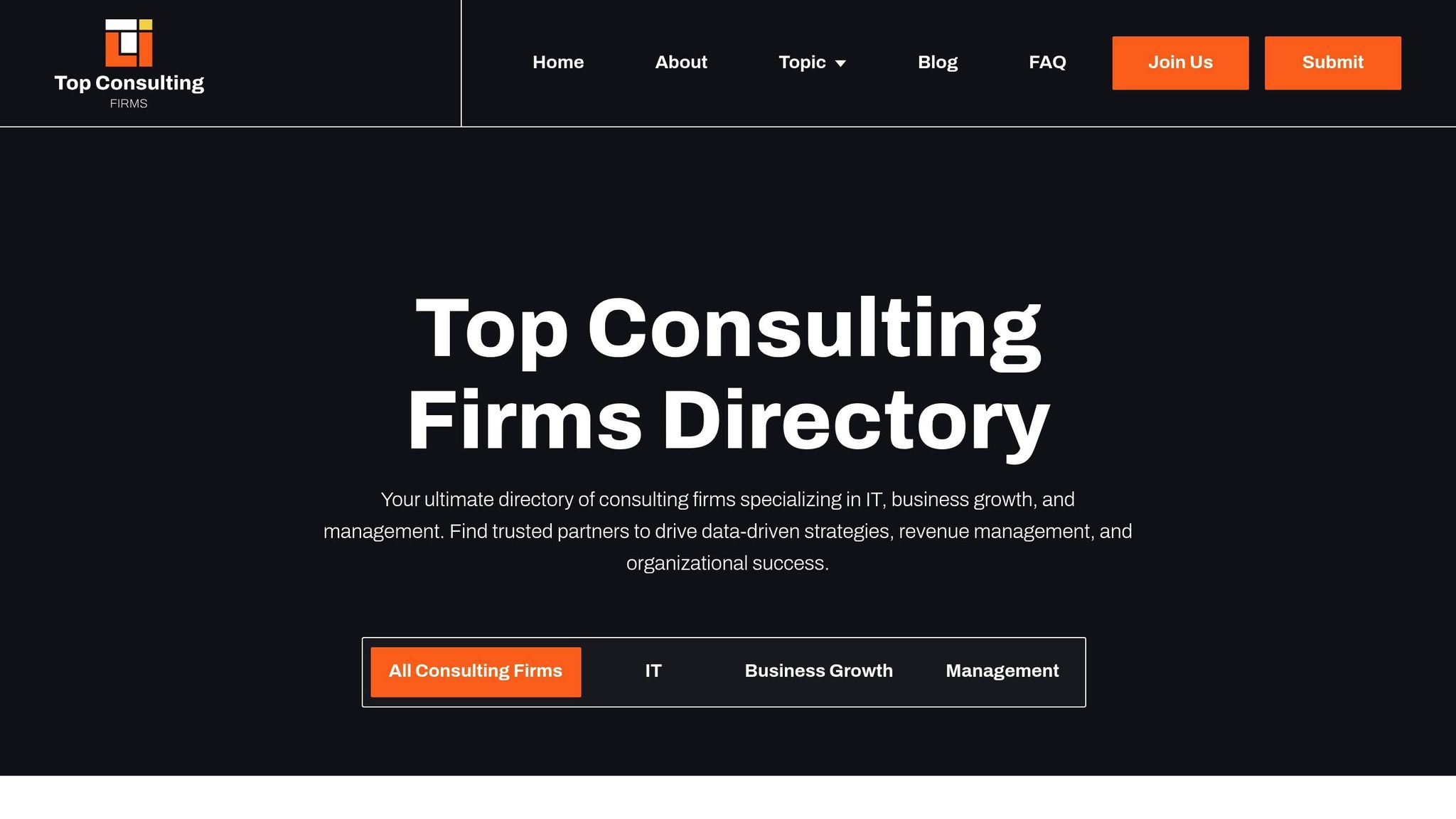
The Top Consulting Firms Directory (https://allconsultingfirms.com) is a valuable resource for finding firms that specialize in areas like risk management, digital transformation, and strategic planning - all critical for managing your reputation effectively. The directory features a curated list of consultants, simplifying the process of finding professionals who understand your unique challenges.
When choosing a consultant, focus on firms with proven experience using AI-powered tools for real-time risk alerts and sentiment analysis. Look for those familiar with U.S. markets and capable of monitoring across hundreds of review sites. Review case studies that highlight their success in improving crisis response times, and ask how they approach scalability and integration with your current systems.
Moving from Reactive to Predictive Monitoring
Consultants don't just help you react to problems - they guide you toward a proactive, predictive approach. Instead of addressing issues after they've escalated, predictive monitoring uses advanced technology to anticipate potential risks. Consultants set up AI-driven systems that analyze sentiment trends and detect unusual patterns across social media, reviews, and news sources. This allows businesses to catch potential crises - like viral controversies - before they spiral out of control.
Steps include establishing baseline reputation metrics and configuring predictive alerts based on past data. For example, rather than just responding to negative reviews, predictive systems can identify recurring issues, like frequent complaints about long wait times, allowing you to address the root cause early. Consultants also help you measure success by tracking improvements in sentiment scores, faster response times, and fewer negative mentions. These metrics are tied to real outcomes, such as better customer retention and stronger sales. This proactive approach enhances earlier efforts, keeping your brand's reputation strong in an ever-changing digital world.
Conclusion
Managing brand reputation requires constant vigilance. With 95% of business leaders admitting their crisis management skills need improvement, sticking to reactive damage control can lead to major revenue losses and erode trust. Fortunately, online tools now allow real-time monitoring across various digital channels, helping you spot potential threats - like negative reviews, social media backlash, or discussions about data breaches - before they spiral into full-blown crises.
The key lies in blending technology with a clear strategy. Start by setting up monitoring tools with well-defined goals, customizable alerts, and baseline metrics like sentiment scores and response times to keep tabs on your online presence. AI-driven sentiment analysis can help you identify and prioritize pressing issues. For example, if you notice recurring complaints about long wait times, it’s crucial to address the root cause - whether through staff training or refining your processes. To bolster these efforts, consider working with industry experts.
Expert consultants can help you transition to a more proactive and predictive approach. They can assist with selecting the right tools, setting up advanced workflows, and creating cross-functional response plans that bring together marketing, customer service, legal, and executive teams. The Top Consulting Firms Directory (https://allconsultingfirms.com) is a great resource for finding experienced professionals in digital transformation and reputation risk management. Their expertise can provide strategic oversight to complement your internal efforts.
FAQs
How do AI-driven reputation tools help businesses manage brand risks?
Businesses increasingly rely on AI-powered reputation tools to keep their brand image intact. These tools scan real-time online data - social media posts, news articles, reviews, and mentions - to stay on top of public sentiment. By leveraging natural language processing (NLP) and machine learning algorithms, they can pinpoint negative sentiment, spot brewing issues, and alert companies to potential crises.
What’s more, these tools assess risks by weighing factors like severity, audience reach, and potential fallout. This insight helps businesses respond quickly and effectively, safeguarding their reputation and maintaining trust with their audience.
What are the first steps to start monitoring your online reputation effectively?
To keep tabs on your online reputation, the first step is pinpointing the main platforms where people talk about your brand. This could include social media channels, review websites, and forums. Once you’ve identified these spaces, set up alerts to track mentions of your brand, important keywords, or topics tied to your business. This ensures you’re always in the loop. Lastly, leverage reputation monitoring tools to analyze metrics like customer sentiment, reviews, and how your brand is perceived overall. These actions let you tackle potential issues early and help maintain a strong, positive image for your brand.
How can consultants help improve a brand’s online reputation?
Consultants are essential in shaping and safeguarding a brand’s online reputation. They use sophisticated reputation monitoring tools to spot potential risks early and develop customized strategies to address them effectively. With their expertise, they can design proactive communication plans to handle crises and sustain customer trust.
By diving into sentiment data, consultants uncover patterns in customer feedback, allowing them to swiftly address negative concerns while amplifying positive responses. This approach ensures that a brand's messaging stays cohesive and professional across all digital channels, strengthening its connection with its audience.